
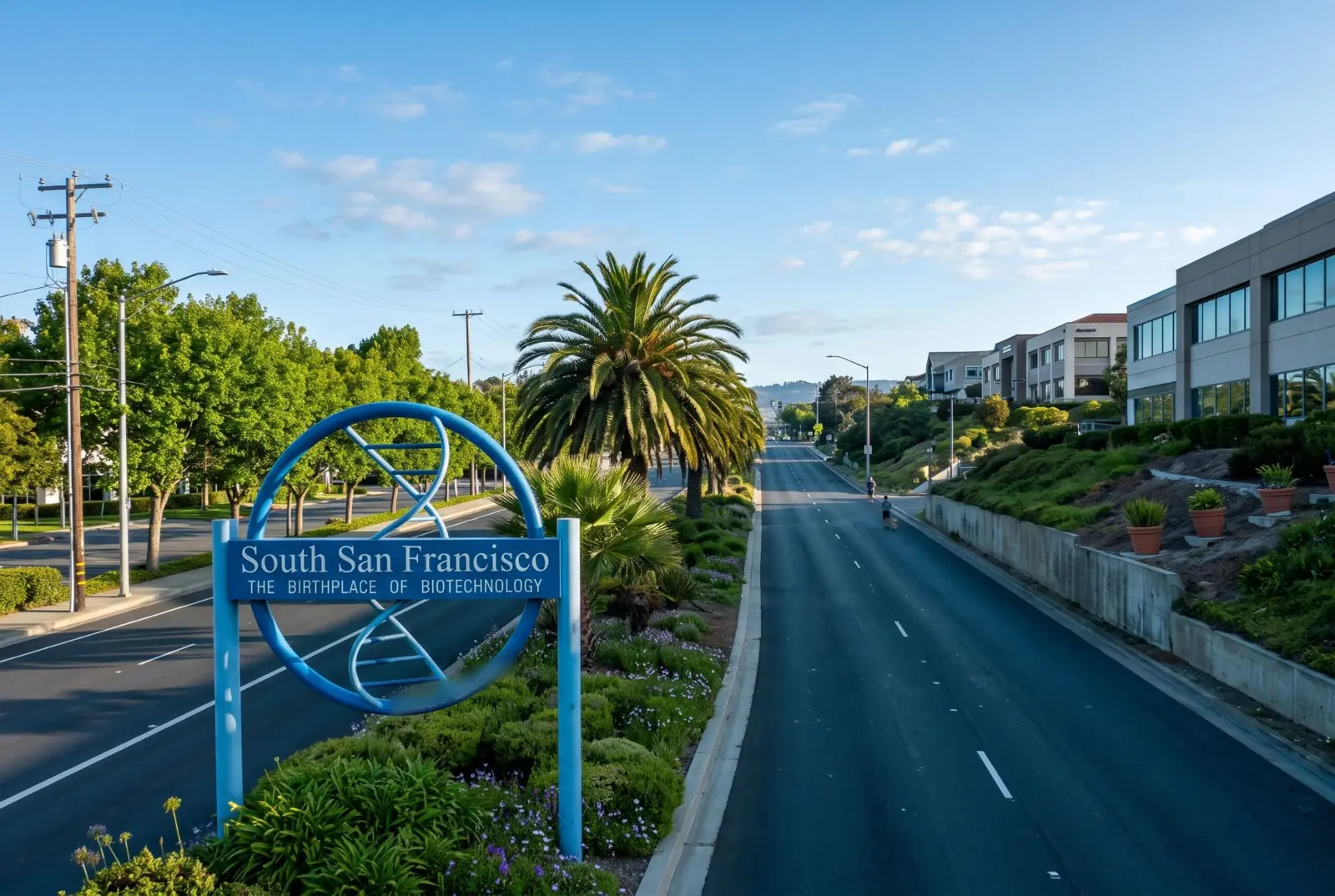
Nearby city
Electrical services in South San Francisco, CA
South San Francisco's residential areas range from early-twentieth-century homes near downtown to mid-century neighborhoods and newer apartments and condominiums. Each brings different electrical needs — from old wiring and fuse panels to HOA-approved EV charging. Find out what applies to your home and how permits work in South San Francisco.
Overview
Electrical work in South San Francisco homes
South San Francisco — “The Industrial City,” as the sign on Sign Hill says — combines an older downtown around Grand Avenue, mid-century neighborhoods such as Westborough and Sunshine Gardens on the western hills, and a growing number of new apartment and condo buildings near transit. East of Highway 101, the city is mostly biotech and industrial.
Residential electrical needs split along those lines: early-twentieth-century homes near downtown with old wiring and small services, mid-century houses ready for electrification, and newer buildings where HOA rules and shared garages drive EV charging decisions.
What electricians find
Electrical issues common in South San Francisco homes
Common patterns for this building stock — not a description of any specific property.
Old wiring near downtown
Early homes may have knob-and-tube, cloth wiring or fuse panels.
Small mid-century services
Westborough-era homes often have 100-amp or smaller services.
Room additions
Expanded homes often run new rooms off old circuits.
Wind exposure on the hills
Exterior equipment on western slopes faces strong wind and fog.
Condo and apartment rules
New buildings require HOA approval for most changes.
EV charging demand
Commuters want home charging; capacity is the main question.
Typical projects
Projects homeowners plan in South San Francisco
| Project | Why it comes up here | What to plan for |
|---|---|---|
| Fuse or panel replacement | Older downtown homes | New breaker panel, possible service upgrade |
| Service upgrade | Mid-century homes electrifying | Load calculation and PG&E coordination |
| EV charger | Garages and driveways | Charger sizing within capacity |
| Rewiring older homes | Knob-and-tube or cloth wiring | Access through plaster and attics |
| Condo upgrades | New multifamily buildings | HOA approval and panel space |
Permits & utility
Permits and utility in South San Francisco
Electrical permits for South San Francisco properties are issued by the City of South San Francisco. Panel replacements, service upgrades, new circuits and EV chargers need a city permit and inspection.
PG&E provides electric service and handles meter changes for service upgrades. Condo owners should get HOA approval before applying for permits.
Planning electrical work in South San Francisco?
Call to talk through your project with an electrical professional who works in the area.
Before you start
How to plan electrical work in South San Francisco
Identify your home’s era
Downtown older homes and hillside mid-century homes need different plans.
Check for fuses
Screw-in fuses usually mean a panel replacement is the first step.
Plan EV and electrification together
One load calculation avoids upgrading twice.
Use weather-rated exterior gear
Wind and fog on the hills are hard on outdoor equipment.
Get approvals in order
HOA first for condos, then the city permit.
FAQ
South San Francisco: frequently asked questions
Who issues electrical permits in South San Francisco?
The City of South San Francisco. San Francisco permits do not apply, and inspections are done by city inspectors.
Do older homes near Grand Avenue have knob-and-tube?
Some early-twentieth-century homes still do, at least in part. An inspection shows what remains.
Can my mid-century home support an EV charger?
Often, with a load calculation. A lower-amperage charger or load management may avoid a service upgrade.
Can I add a charger in my condo garage?
California law gives condo owners a path to install a charger for their own space at their expense, subject to reasonable HOA rules. The building’s capacity determines the approach.
Official resources
Requirements change. Check current information directly with these official sources.
- City of South San Francisco (opens in a new tab)www.ssf.netOfficial city website; building and permit services for South San Francisco addresses.
- PG&E (opens in a new tab)www.pge.comService upgrades, meter changes and outage information.
- CSLB license lookup (opens in a new tab)cslb.ca.govCheck a contractor’s C-10 electrical license and status before hiring.
Talk to an electrical professional
Call to speak with an electrical professional who can evaluate your property, explain options and handle any permits the work requires.